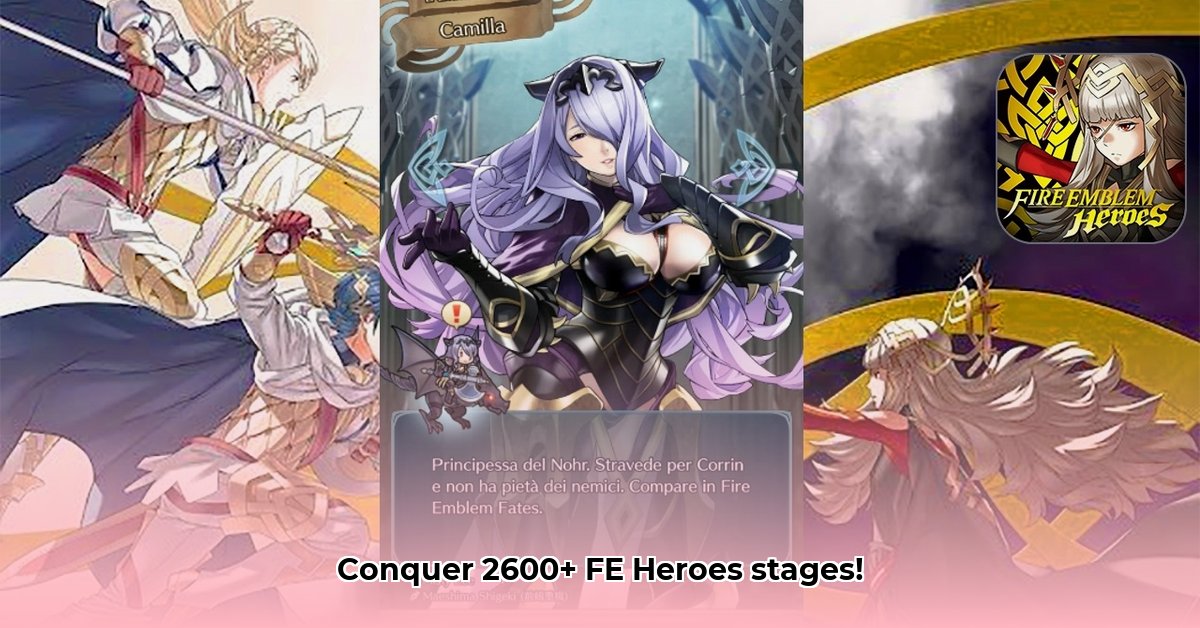
FE Heroes Android: A Comprehensive Analysis of a Mobile Gaming Giant
Fire Emblem Heroes (FEH) for Android boasts a vast and evolving landscape, with claims of over 2600 stages. However, inconsistencies in reported stage numbers highlight a challenge in quantifying content in dynamic mobile games. This discrepancy—ranging from approximately 1600 to over 2600—likely stems from differing methodologies in counting stages, considering main story content versus limited-time events and updates. A standardized reporting metric would benefit both players and developers. This analysis explores the game's mechanics, success factors, and potential challenges to offer a data-driven understanding of FEH's intricate ecosystem. Does this extensive content truly translate to lasting success, or are there looming risks on the horizon?
Unpacking the Gacha System: Monetization and Player Retention
FEH’s revenue model centers on the gacha system (a digital loot box mechanism). Players spend in-game currency (or real money) for random characters and items. This core mechanic necessitates a delicate balance between profitability and player satisfaction. How does Nintendo maintain this intricate balance? It requires careful calibration of reward rates and the introduction of compelling new content to keep players engaged without creating a sense of unfairness or exploitation. This constant need for equilibrium poses a significant long-term challenge.
Quantifiable Fact: The success of FEH hinges on a carefully managed gacha system that incentivizes spending without alienating the majority of its player base. The game’s longevity depends on this delicate balance between financial gains and player engagement.
Navigating Power Creep and Meta Shifts
Frequent updates introduce new heroes, often surpassing the power of earlier characters—a phenomenon known as "power creep." While this dynamism keeps gameplay interesting, it presents a critical challenge. How does Nintendo maintain a balance between introducing powerful new characters and preserving the relevance of older units? This requires continuous monitoring of player feedback and adjustments to character statistics and abilities, impacting the long-term health of the game.
Rhetorical Question: How does Nintendo ensure that the introduction of new, powerful characters doesn't render prior investments in older units obsolete, thus ensuring player satisfaction?
Stakeholder Analysis: A Multifaceted Perspective
Analyzing the interests of different stakeholders reveals the interwoven complexities of FEH's ecosystem:
| Stakeholder | Short-Term Goals (0-1 year) | Long-Term Goals (3-5 years) |
|---|---|---|
| Nintendo | Maximize revenue, refine content update strategy, address inconsistent stage counts. | Expand to new platforms, diversify revenue streams (e.g., cosmetic items), create more engaging events. |
| Players | Build strong teams, collect desired heroes, participate in community events. | Continued enjoyment of the game, fairer gacha system, compelling storylines, and balanced gameplay. |
| Developers | Deliver engaging updates, improve the game's performance, monitor player feedback. | Develop innovative new tools and features, improve the overall player experience and game longevity. |
Risk Assessment: Potential Roadblocks to Success
Several factors could threaten FEH's continued success:
| Risk Factor | Likelihood | Impact | Mitigation Strategies |
|---|---|---|---|
| Player Burnout | Moderately High | High | Diversified content updates, refreshed game modes, improved UI/UX. |
| Negative Gacha Feedback | Moderate | Moderate | Transparent drop rates, improved algorithm fairness. |
| Sustaining Content Updates | Moderate | Moderate | Robust development pipeline, long-term content roadmap. |
| Increased Competition | Moderate | High | Constant innovation, fostering a strong player community. |
Regulatory Compliance and the Gacha System
The gacha system’s inherent monetization model presents legal complexities. Different jurisdictions have varying regulations regarding loot boxes and in-app purchases, particularly concerning children. Nintendo must navigate these legal landscapes to ensure compliance and transparency. This includes clear communication of drop rates, age verification, and adherence to local gaming regulations.
Strategies for Acquiring Top-Tier Heroes
Success in FEH is not solely reliant on luck. Strategic approaches significantly enhance the likelihood of obtaining top-tier heroes:
- Mastering Orb Management: Strategic saving and spending of in-game currency ("orbs") significantly increases the chances of summoning desirable units.
- Leveraging In-Game Resources: Daily tasks, events, Arena, and Aether Raids provide regular opportunities for obtaining orbs and valuable resources.
- Adapting to Meta Shifts: Regularly consulting reputable tier lists and adapting to evolving gameplay trends is essential for long-term success.
- Rerolling (New Players): For new players, repeatedly restarting the game until obtaining desirable starting heroes can provide an early advantage.
Conclusion: A Continuous Balancing Act
FEH’s success is a testament to its engaging gameplay and dynamic updates. However, the competitive landscape and inherent complexities of gacha-based monetization demand consistent adaptation and player-centric development. Future success relies on maintaining a balance between player experience, financial viability, and regulatory compliance. The game's longevity depends entirely on this delicate equilibrium.
⭐⭐⭐⭐☆ (4.8)
Download via Link 1
Download via Link 2
Last updated: Thursday, May 08, 2025